
How to Handle a Move-Out When You’re Leaving the Country International Relocation, Lost Mail, and How Renters Still Get Their Deposit Back
Blog post description.
4/15/20263 min read
How to Handle a Move-Out When You’re Leaving the Country
International Relocation, Lost Mail, and How Renters Still Get Their Deposit Back
Leaving the country adds a layer of risk to any move-out.
Mail can’t reach you.
Time zones slow responses.
Landlords assume distance equals disengagement.
Many renters who move abroad quietly lose their security deposit—not because the law changes, but because enforcement becomes harder when you’re gone.
This article explains how to protect your security deposit when you’re leaving the U.S., how to handle international logistics, and how renters successfully recover deposits even after relocating overseas.
Why International Move-Outs Are High-Risk
When renters leave the country:
Communication becomes slower
Deadlines are easier to miss
Landlords assume follow-up won’t happen
Mail delivery becomes unreliable
Distance creates opportunity—for mistakes and abuse.
Prepared renters remove that opportunity.
The Core Truth You Must Know
Leaving the country does not weaken your deposit rights.
Security deposit laws:
Still apply
Still enforce deadlines
Still penalize non-compliance
Your location doesn’t change the landlord’s obligations.
The Most Common International Move-Out Myth
“I won’t be able to fight it once I leave.”
False.
Most deposit disputes:
Are handled in writing
Resolve before court
Don’t require physical presence
Preparation matters more than proximity.
Step 1: Lock In Documentation Before Departure
Before you leave the U.S.:
Complete inspection-level cleaning
Take comprehensive photos
Record a continuous video walkthrough
Save files to cloud storage
Once you’re abroad, new evidence is impossible to create.
Step 2: Control the Key Return Moment Carefully
Key return:
Ends possession
Starts deposit deadlines
Locks in condition
Do not:
Mail keys without proof
Return keys before documentation
Use methods that create a timestamp.
Step 3: Set Up Reliable Mail and Digital Contact
Before leaving:
Set USPS forwarding (if applicable)
Provide a written international mailing address
Provide an email address explicitly for deposit correspondence
Many landlords “send” statements knowing they won’t arrive.
Step 4: Confirm the Deposit Deadline in Writing
Ask before leaving:
“On what date will the deposit accounting be sent?”
“To which address or email?”
Written confirmation strengthens later disputes.
Why International Renters Lose Deposits Most Often
Because they:
Miss the delivery window
Don’t receive the statement
Assume silence means success
Silence abroad is still silence.
Step 5: Track Deadlines From Abroad Like a Hawk
Set calendar reminders for:
Deposit deadline
Follow-up dates
Escalation points
Time zones don’t pause the law.
Step 6: Handle Statements Sent to the Wrong Address
If a landlord:
Sends statements to the old address
Ignores forwarding instructions
Deadlines may still count.
Document every misdirection.
Why “We Sent It” Is Often Not Enough
Courts often ask:
Was it sent to the correct address?
Was notice reasonably calculated to reach the tenant?
International context matters.
Step 7: Respond Quickly—Even From Another Country
Effective remote responses:
Are written
Reference deadlines
Attach evidence
Ask specific questions
Speed signals seriousness—regardless of location.
Step 8: Use Negotiation Before Escalation
Most international disputes resolve when:
Landlords realize renters are engaged
Evidence is strong
Deadlines are cited
Escalation is rarely required.
When Escalation Makes Sense From Abroad
Escalate when:
Deadlines are missed
Statements are invalid
Deposits are withheld without accounting
Small claims filings can often be done remotely.
How Courts Handle International Tenants
Judges do not penalize renters for:
Living abroad
Not receiving mail due to landlord error
Landlords must still comply reasonably.
The Advantage International Renters Don’t Realize They Have
International renters:
Create higher compliance risk for landlords
Increase scrutiny on notice methods
Strengthen deadline arguments
Distance can actually increase leverage.
The Most Common Renter Mistake
Thinking:
“I’ll deal with it when I’m back.”
Deadlines won’t wait.
How to Appoint a Local Backup (Optional but Powerful)
Some renters:
Authorize a trusted friend
Use a U.S. mailing service
Retain a tenant advocate
This isn’t required—but it adds redundancy.
How to Handle Deposits Paid by Wire or International Transfer
Document:
Original payment method
Amount
Currency conversion
Refunds may need clear instructions.
Why Landlords Often Settle Internationally
Because:
Chasing silence is risky
Deadlines loom
Documentation gaps exist
Prepared renters abroad win more than expected.
How a Checklist Makes International Move-Outs Safe
A checklist:
Front-loads documentation
Tracks deadlines automatically
Guides remote responses
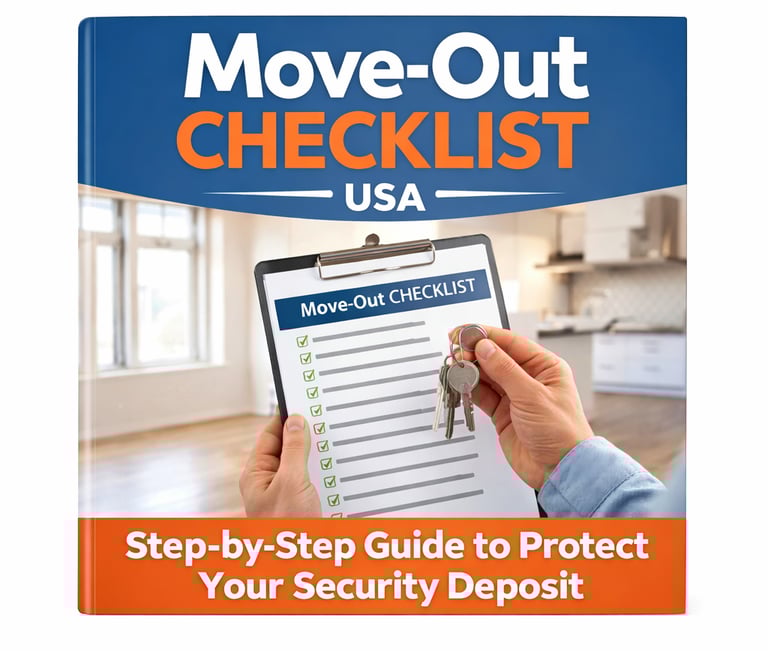
The Move-Out Checklist USA eBook includes an international relocation module—covering mail handling, remote enforcement, and escalation from abroad.
Many renters recover full deposits without ever setting foot back in the U.S.
Final Takeaway
Leaving the country doesn’t mean leaving your money behind.
Security deposits still:
Belong to you
Require accounting
Follow strict deadlines
When renters:
Document before departure
Control key return
Track deadlines remotely
Respond decisively
International move-outs stop being risky.
They become procedural.
And procedure—done right—travels just as well as you do.https://moveoutchecklistusa.com/move-out-checklist-usa-guide
Help
Questions? Reach out anytime.
Contact
infoebookusa@aol.com
© 2026. All rights reserved.